Hospital Hours: Monday-Friday: 8am-6pm | Saturday: 8am-4pm
(519) 896-0532

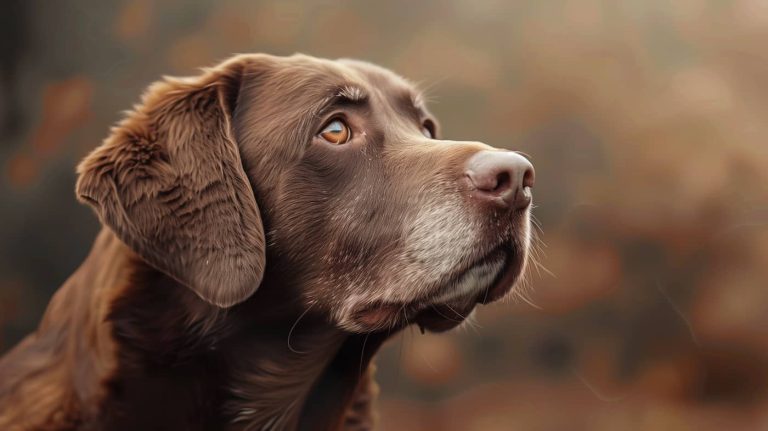
If your older dog, especially a large breed like a Labrador Retriever, struggles with noisy breathing, a changed bark, or seems to have trouble swallowing, GOLPP may be the culprit. GOLPP (Geriatric Onset Laryngeal Paralysis Polyneuropathy) is a complex disease that affects senior dogs, gradually impacting their breathing, swallowing, and even their ability to walk. In this article, we will discuss what GOLPP in dogs actually is, the symptoms, and what can be done to help your dog.
GOLPP refers to Geriatric Onset Laryngeal Paralysis Polyneuropathy and is a progressive neurological disease that primarily affects older dogs, often large breeds like Labrador Retrievers.
Here's what it does:
Unfortunately, the exact cause of GOLPP remains unknown. However, we strongly believe it's linked to a condition called polyneuropathy. This means damage is happening to multiple nerves throughout your dog's body.
The most obvious nerve affected is the one controlling the voice box (larynx), which explains the breathing difficulties. This is called laryngeal paralysis. GOLPP also impacts nerves responsible for swallowing and even those involved in leg movement.
Here's a simplified way to think about it:
Why this nerve damage happens, especially in older dogs, is still being investigated. Research is ongoing, and hopefully, we'll have a clearer understanding of GOLPP's root cause in the future.
GOLPP often starts with subtle signs that are easy to miss or confuse with normal aging. However, early recognition is key to helping your dog.
Here are the main symptoms of GOLPP in dogs that you should watch out for:
Tip: Some of these signs overlap with other conditions. It's important to have your veterinarian examine your dog to rule out other potential causes and get a proper GOLPP diagnosis.

Getting a definitive diagnosis of GOLPP is important because other conditions can mimic its symptoms.
Your veterinarian will start by asking detailed questions about your dog's symptoms when they started, and if they're getting worse. They'll then perform a thorough physical exam, carefully examining your dog's respiratory and neurological systems.
An important part of the diagnosis is a laryngeal exam. This is done with sedation and involves visualizing your dog's voice box (larynx) in action, allowing your vet to confirm GOLPP. Sedation is required as the larynx cannot be seen in the awake patient. Your vet will be looking directly at the laryngeal, and arytenoid muscles and how they move during the different breathing phases.
Your veterinarian might also recommend chest X-rays to rule out other breathing problems and check whether there are signs of aspiration pneumonia which is unfortunately common in this condition. This occurs because dogs with GOLPP have issues swallowing food and water due to nerve dysfunction which can enter the lungs and cause severe pneumonia.
While there is no cure for GOLPP, there are treatment options available that can help manage your dog's symptoms and improve their quality of life.
Here's what we typically focus on with treatment:
The most common surgical procedure is called a "tie-back." This involves permanently securing part of the voice box (larynx) in an open position, making it easier for your dog to breathe. It's important to note that this carries a risk of aspiration pneumonia (food/water entering the lungs).
Your veterinarian might suggest:
Exercises specifically designed for dogs with GOLPP can help maintain muscle strength and coordination, slowing down the effects of nerve damage. This might include water treadmill therapy, controlled walks, and specific exercises.
As GOLPP is a progressive disease, it's important to understand that your dog's symptoms may worsen over time. However, with the right treatment and management plan in place, they can still live a happy and comfortable life.
Here are some key aspects of managing GOLPP at home:
GOLPP is a neurological disorder seen in dogs with an unknown cause. It stands for Geriatric Onset Laryngeal Paralysis Polyneuropathy. While GOLPP in dogs is a serious, progressive condition, it doesn't mean the end of happy times for you and your dog. With knowledge, proper medical care, and adjustments to your dog's routine, dogs with GOLPP can enjoy a good quality of life for a significant time.


